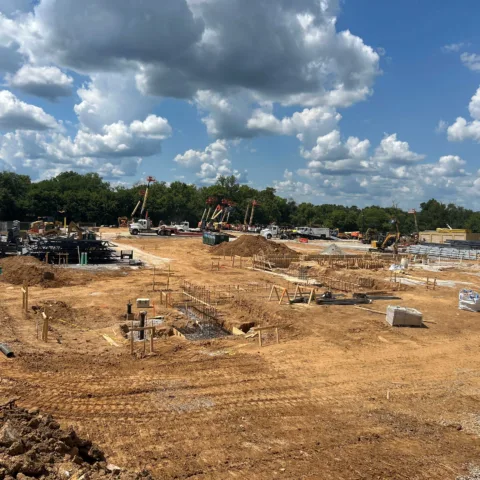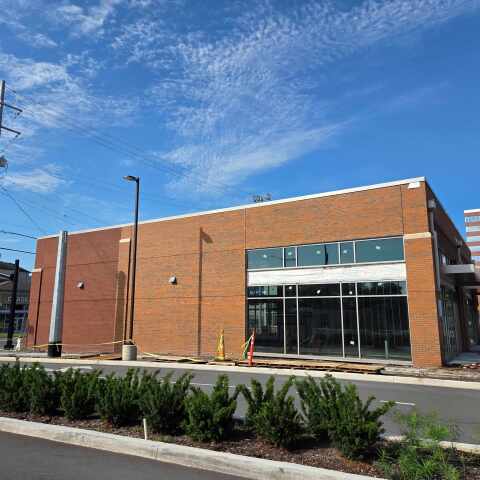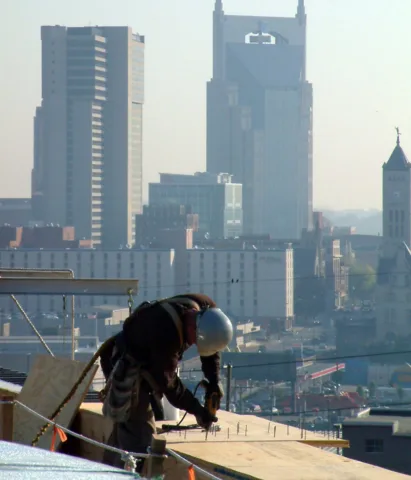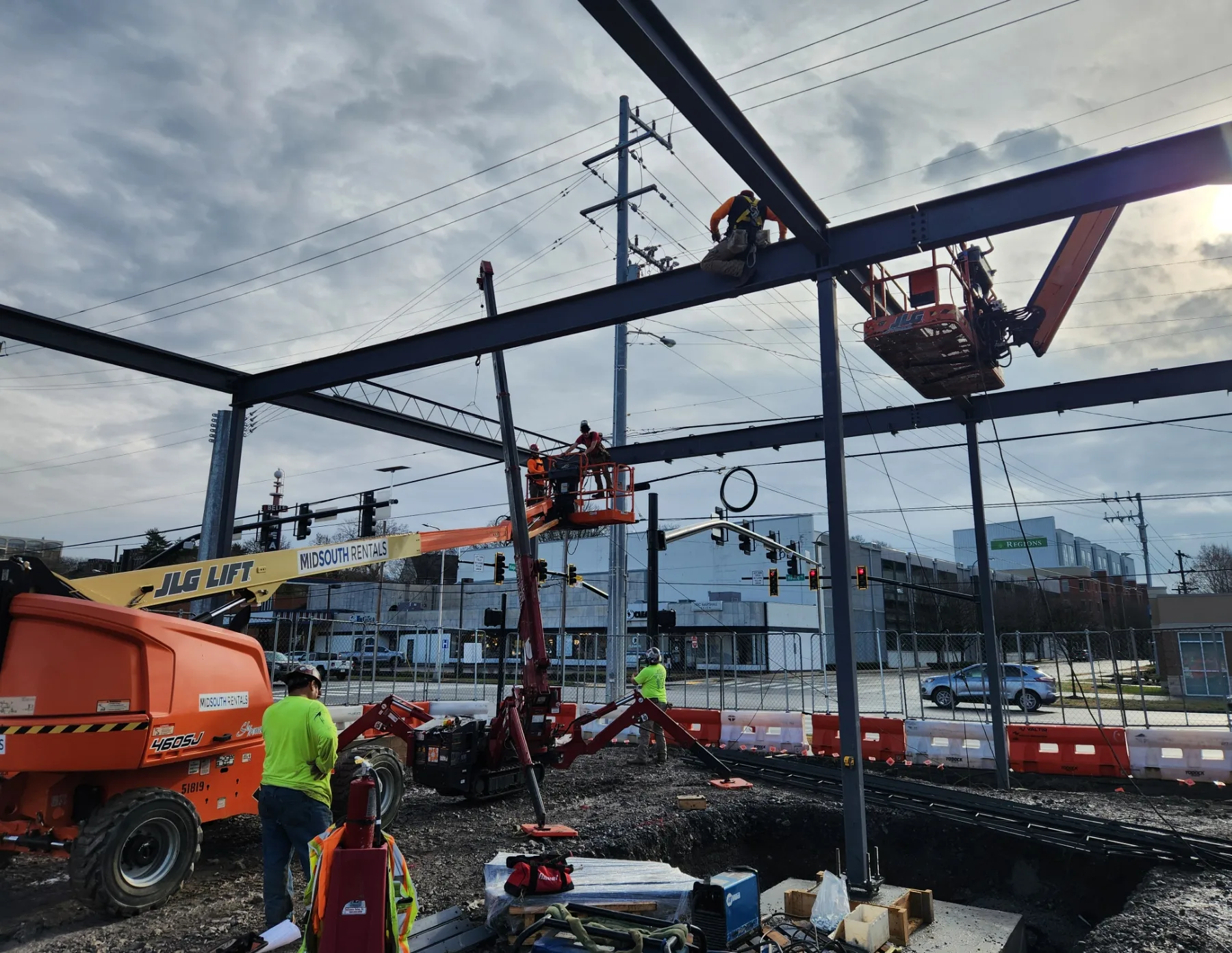
Commercial construction projects rarely go off track because of one big mistake.
More often, it’s a series of smaller issues compounded over time. A design decision takes longer than expected. A utility provider’s schedule doesn’t line up with the project. A critical material suddenly has a much longer lead time. The pricing suddenly changes before the project is ready to move forward. A problem that could have been solved during preconstruction isn’t revealed until construction is underway.
Any one of these challenges can put pressure on a project. Several at once significantly impact your schedule, budget, and overall outcome.
Crain has seen every version of these challenges after more than 90 years in commercial construction and thousands of completed projects. We’ve also learned that many issues that derail projects can be identified and addressed well before they become problems in the field.
That starts with good pre-construction planning. It continues with clear communication, experienced project leadership and a willingness to solve problems before they become emergencies.
Here are seven issues we believe owners and developers should think about before their next commercial construction project begins.
1. Inadequate Planning and Design Coordination
A successful construction project starts long before anyone arrives on site.
A budget and schedule are important, but effective preconstruction planning goes much further. It means understanding the site, reviewing the design for constructability, identifying long-lead materials, coordinating utilities, understanding permitting requirements, and making logistical decisions before they become urgent.
It also means getting the right people involved early. Owners, architects, engineers, contractors, trade partners and utility providers may all have different priorities and timelines. Bringing those perspectives together early gives the team a better chance to identify conflicts while they are still relatively easy to solve.
This is why Crain’s design-build approach brings design and construction expertise together earlier in the process, helping teams identify potential issues before they reach the field. The earlier the team identifies issues, the more options there are to address them.
Keep reading: Crain’s Unique Approach to Pre-Construction and Post-Construction offers a closer look at how Crain works alongside owners throughout the project lifecycle.
2. Poor Communication Between Project Stakeholders
Construction is a team sport. When information doesn’t move efficiently between that team, even a well-planned project can run into trouble.
Owners may have operational priorities that the construction team needs to understand. Architects and engineers may be working through design details while trade partners are preparing to build. Project schedules can change quickly. Decisions that feel small in isolation can have significant downstream effects.
That is why communication needs to be more than a weekly meeting.
At Crain, we think about communication top to bottom and side to side. Information needs to move not only from leadership to the project team, but across the entire project team as well, so decision-makers have the information they need.
Clear communication also means being willing to have difficult conversations early.
If something affects cost, schedule, quality or operations, the owner should hear about it while options are still on the table.
Keep reading: Our Effective Framework for Commercial Construction Communication explores the communication principles Crain uses to keep projects moving.
3. Procurement, Pricing and Labor Challenges
The construction market has changed significantly over the past several years. Some challenges have eased in certain areas, while others continue to require close attention.
Today, Crain may see aggressive trade partner pricing on some scopes while other materials and systems face significant demand, longer lead times or price escalation. Demand from large data center projects, for example, has affected the availability and pricing of certain materials.
Our team closely watches lead times and pricing values for steel (including tube steel and structural components) and structural precast so no one is caught by surprise.
The answer is not simply to wait and see what happens.
Early release packages allow critical materials to be purchased before they become a schedule problem. By closely communicating with suppliers and trade partners, our team can understand market changes and see where action is needed.
Pricing also requires a clear plan.
Even when construction activity slows and trade partners become more competitive, it can still be difficult to hold pricing for an extended period. Owners should have a realistic plan for finalizing the project, confirming pricing, and awarding work promptly.
Labor availability adds another layer. A project schedule depends on having the right people available when they are needed. Selecting experienced trade partners early and maintaining strong relationships with those partners helps the team respond when the market changes.
Keep reading: Proven Strategies to Overcome Construction Supply Chain Disruptions explores how Crain approaches procurement and supply chain challenges.
4. Utility Coordination and Site Conditions
One of the easiest things to underestimate during planning is what needs to happen before construction can really get moving.
Utilities are a good example. Water, sewer, power, gas, and other services may involve separate providers, approval processes, and schedules. Those timelines do not always align with an owner’s desired construction schedule. A project may be ready to begin, but the utility provider may not be ready to make the connection.
That is why early coordination with utility districts and service providers is important. Their timelines must be part of the project schedule from the beginning, not added after the fact.
Site and ground conditions can create similar challenges.
Unsuitable soil, groundwater, existing structures, or other environmental conditions can affect both cost and schedule. The more the team understands about the site before construction begins, the better prepared they can be to address those conditions.
For Nashville-area projects, local experience matters. Understanding common site conditions and knowing how to navigate local agencies and service providers can help identify potential issues earlier.
Keep reading: From Unstable to Unshakable: Solving Ground Issues in Commercial Construction takes a closer look at the ground and foundation challenges that can affect commercial projects.
5. Permitting and Code Issues
Permitting is rarely the most exciting part of a construction project. But it can impact the schedule in a major way.
Permit requirements, inspections, and building codes can change. Different departments may have different requirements. A project may also need approvals from multiple agencies before work can proceed.
The best way to manage these challenges is to understand them early on.
That means identifying permitting requirements during preconstruction, communicating with the appropriate departments, and building enough time into the schedule for reviews and approvals.
It also means understanding that city officials and inspectors are part of the process, not an obstacle to work around.
Crain has built long-standing relationships with local departments and understands the importance of communicating clearly, addressing questions proactively and finding solutions when unexpected issues arise.
The goal is simple: keep the project moving while making sure the work is done correctly.
Keep reading: A Complete Guide to Understanding Nashville’s Building Codes and Zoning for Commercial Construction Projects offers a deeper look at the regulatory considerations developers should understand.
6. Unexpected Conditions and Problems That Surface During Construction
Even the best-planned project will encounter something unexpected.
You may uncover a condition that wasn’t visible during design. A material may arrive with an issue. A weather event may disrupt the schedule. An existing building may reveal something that wasn’t in the original plans.
The question is not whether something unexpected will happen. The question is how the project team responds when it does.
Strong project teams don’t wait for someone else to solve the problem. They assess the situation, communicate the impact, develop options, and make decisions.
That requires experience, but it also requires a culture where people are willing to speak up when something isn’t working.
Crain has built its approach around proactive problem-solving. When plans change, our teams look for practical ways to keep the project moving while protecting the owner’s priorities for cost, schedule and quality.
Keep reading: When Plans Change: An Inside Look at Crain’s Proactive Approach to Construction Challenges shares several examples of how our teams have responded when projects didn’t go according to plan.
7. Existing Conditions and Defective Work in Renovation Projects
Renovation projects come with a different kind of uncertainty.
When you work in an existing building, you can only know so much before walls are opened, systems are exposed, and demolition begins. Older buildings may contain outdated mechanical or electrical systems, concealed damage, previous work that does not meet current codes, or conditions that differ from the original drawings.
These issues don’t necessarily mean a renovation is a bad investment. They do mean the project needs to account for uncertainty.
Thorough existing-condition assessments, early investigation, and experienced project leadership can help owners understand what they are getting into before construction begins.
Once something unexpected is uncovered, the team needs to adapt.
Crain has worked on renovations and adaptive reuse projects throughout Nashville, including historic and occupied buildings. That experience has taught us to look closely at what is already there, identify potential risks and build flexibility into the plan.
Keep reading: Planning a Commercial Renovation? 3 Things Every Building Owner Needs to Know shares several considerations owners should address before beginning a renovation.
The Best Way to Prevent Construction Problems? Get Ahead of Them.
No commercial construction project is completely predictable.
There are always variables outside the control of the owner or contractor. Market conditions change, materials get delayed, and schedules shift.
But good construction management isn’t about pretending those things won’t happen. It’s about identifying the risks you can see, preparing for the ones you can anticipate and having an experienced team ready to respond when something unexpected happens.
For owners and developers, that work starts before construction. The right questions during pre-construction can uncover issues that would be much more expensive to solve later. Early coordination can keep projects on schedule.
Experience matters when a project doesn’t go according to plan. After more than 90 years in construction, we’ve learned that successful projects are built on trust, communication and relationships that let teams work through challenges together.
Planning your next commercial construction project? Connect with the Crain Construction team to discuss your project, priorities, and the challenges you may need to address before construction begins.