Nashville’s hospitality market continues to grow, but building a hotel today is more complicated than it was even five years ago. Developers are balancing rising construction costs, evolving building requirements, tighter urban sites, and increasingly complex code considerations. (For a broader look at local development considerations, check out our Nashville Building Codes and Zoning: A Complete Guide.)
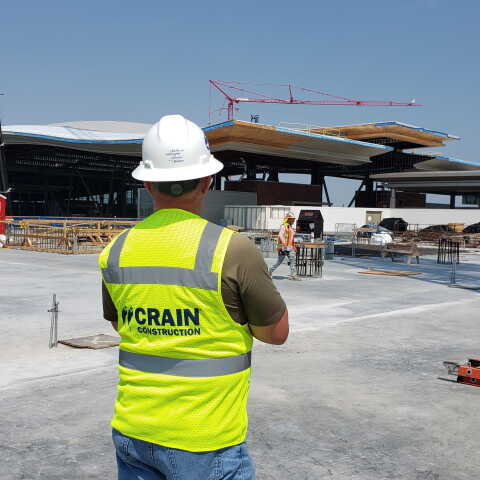
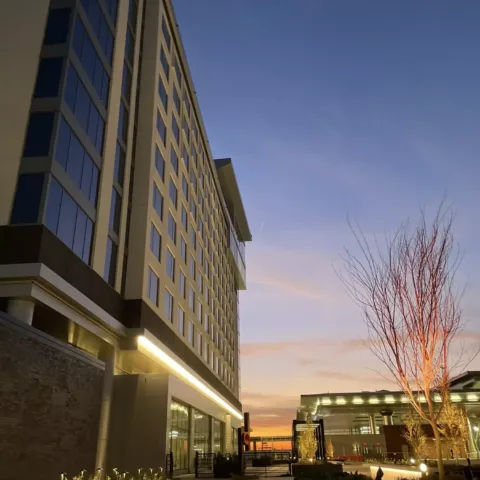
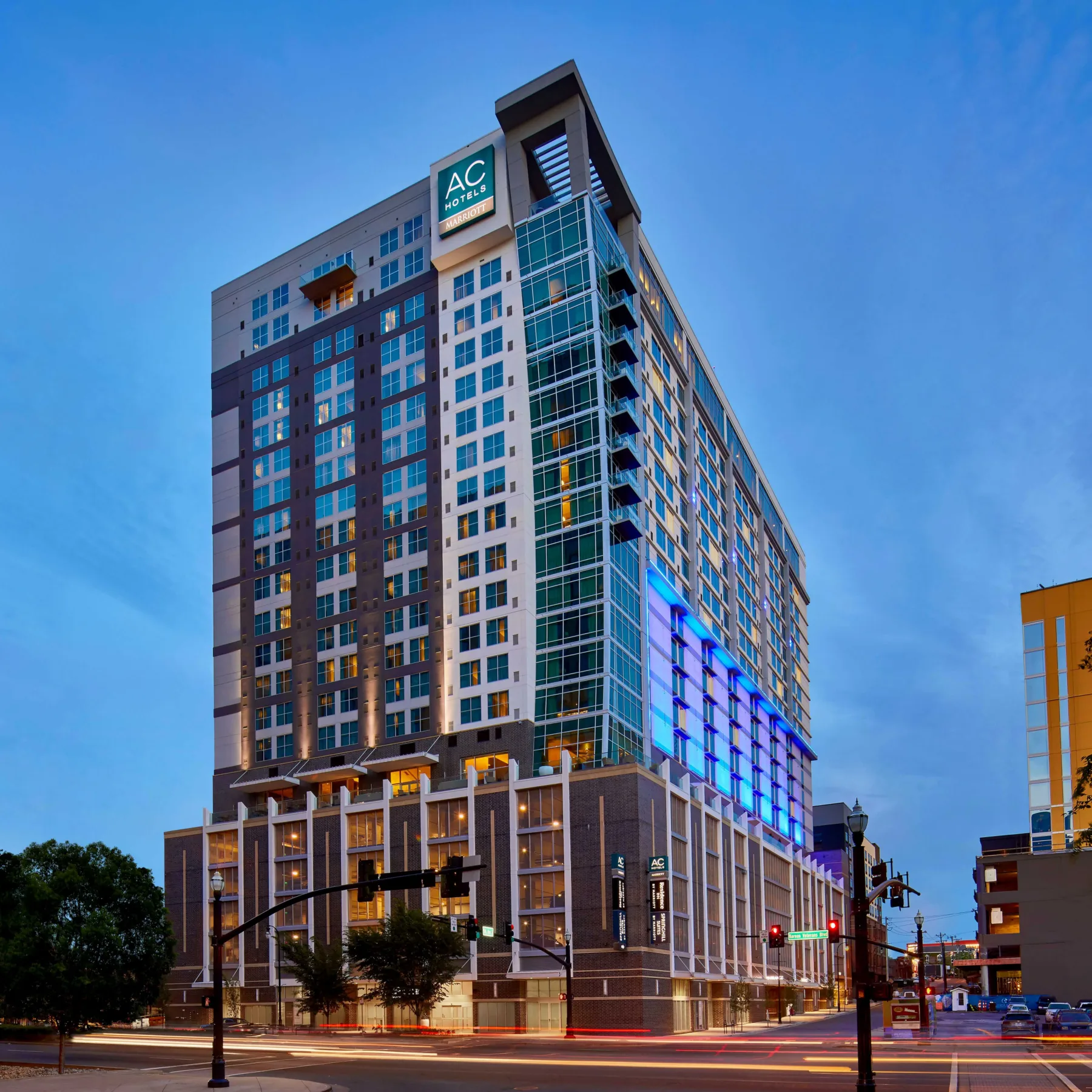
The good news is that many of the biggest challenges can be addressed long before construction begins. At Crain, we’ve spent decades helping developers navigate Nashville’s hospitality landscape. We’ve built a variety of hospitality projects during Nashville’s hotel boom—from a massive 200,000 SF project located over the city’s oldest sewer tunnel to creative adaptive re-use projects like the Fairlane Hotel or converting parking garage space into more hotel rooms for Marriott.
One lesson has remained true across every successful project: bringing the right people to the table early almost always saves time, money, and headaches later.
In this guide, we’ll walk through some of the most important code and compliance considerations hotel developers should be thinking about before finalizing their plans.
The Latest Critical Building Code Considerations for Nashville Hotel Construction
Here are some building codes and compliance considerations that we’ve navigated alongside hospitality developers in recent years:
1. Parking May Be Your Earliest Design Decision
When developers think about hotel construction costs, parking isn’t always the first thing that comes to mind. In Nashville, it should be.
As urban development continues to reshape the city, many projects are facing increased pressure to limit visible above-grade parking. In many cases, that means exploring below-grade parking solutions. While those can create a better guest experience and improve the overall development, they also come with added costs, schedule considerations, and construction challenges.
Parking decisions can impact everything from site selection and utility coordination to excavation requirements and project budgets. We’ve found that one of the smartest things owners can do is begin discussing parking strategies during preconstruction rather than waiting until design is complete.
Parking isn’t simply a design consideration. It often drives constructability, schedule, and overall project strategy.
2. Fire and Safety Planning Begins During Design
Fire and life safety requirements influence nearly every aspect of hotel construction. They’re also one of the biggest reasons early collaboration matters. These requirements impact room layouts, corridor dimensions, building systems, and construction sequencing. Hotel projects must comply with applicable building and fire codes related to fire protection systems, sprinkler requirements, occupancy classifications, emergency power systems, and means of egress.
For guest rooms, fire-rated doors with self-closing and positive-latching hardware play an important role in protecting occupants. High-rise hotels introduce additional considerations related to elevator and stairwell fire ratings, smoke control systems, and vertical shaft protection. The specifics will vary by project, but the principle remains the same: life safety planning should never be an afterthought.
When owners, architects, engineers, and contractors are aligned early, teams can avoid costly redesigns and keep projects moving smoothly through permitting and construction.
3. ADA Compliance Impacts the Entire Guest Experience
Accessibility extends well beyond guest rooms. Today’s hospitality projects must consider how guests move through the entire property. That includes accessible routes from public sidewalks and parking decks to lobbies, meeting spaces, restaurants, fitness centers, and other amenities.
Hotel developers also need to thoughtfully plan accessible guest room inventories that align with the property’s size and offerings. Elevators, restrooms, signage, and communication features all play a role in creating an inclusive guest experience.
4. Every Amenity Adds Complexity
Amenities often help hotels stand out in a competitive market. They also introduce additional code and coordination requirements.
Rooftop bars, commercial kitchens, pools, restaurants, meeting spaces, and fitness centers each come with their own set of considerations. Mechanical systems, ventilation requirements, occupancy loads, health department reviews, and utility coordination can quickly add complexity to a project.
We encourage owners to think holistically about their amenity package during the earliest stages of planning. Understanding how these spaces impact the overall project can help prevent scope changes and unexpected costs later.
If you’re interested in learning more, we’ve also shared additional insights in our blog post, Hotel Amenities That Make or Break a Project (And How to Get Them Right).
The Best Time to Talk With Codes Is Before You Have To
One of the biggest advantages of working with an experienced local contractor is understanding how Nashville works. We’ve also found that many code and constructability issues can be addressed during preconstruction.
In fact, some of the best meetings we have on hotel projects happen before a single permit is submitted. Our Preconstruction Planning at Crain Construction resource offers an inside look at how we identify risks, improve coordination, and help clients make informed decisions before construction begins.
We guide owners and design teams to meet with Nashville’s codes department early in the design process. Having longstanding relationships within Nashville’s construction community doesn’t guarantee approvals or eliminate challenges, but it does create a smoother process for everyone involved.
Great Hotel Projects Are Built Long Before Construction Begins
Hotel construction is rarely derailed by one major issue. More often, it’s a series of small decisions made too late in the process. That’s why communication and collaboration are two of the core values that drive how we approach hospitality construction at Crain.
Early trade partner involvement, constructability reviews, risk identification, and detailed preconstruction planning allow us to proactively address challenges before they become costly problems. Developers who prioritize collaboration early typically experience smoother permitting, fewer surprises during construction, and more predictable project outcomes.
Looking for ways to maximize your budget without sacrificing quality? Our blog post, Cost-Saving Strategies for Smart Hospitality Construction, highlights several opportunities developers should consider early in the planning process.
Building Hospitality Projects the Nashville Way
Building a hotel in Nashville requires more than understanding building codes. It requires understanding how Nashville builds.
The most successful hospitality projects begin with the right team asking the right questions early. From parking and life safety requirements to amenities and permitting, thoughtful preconstruction planning can help owners avoid costly delays and create a better experience for everyone involved.
If you’re considering a hotel development in Nashville, we’d love to talk more about your project. You can also read our blog post, Hotel Development: Key Trends Shaping the Future of Hospitality Construction in Nashville, for more insights into what we’re seeing in the hospitality space.